The New Orleans Index at Twenty Collection
Resilience refers to the capacities, resources, and traits that enable a metropolitan area to absorb, adapt to, or recover from a shock. Resilience comes not from one sector or industry, but the strength and flexibility of social, economic, and ecosystems acting together. How can Metro New Orleans become even more resilient to extreme weather and other shocks? Developed in collaboration with local scholars and contributing authors from the Brookings Institution, these papers offer a deep dive into post-Katrina policy and practice across key sectors. While not exhaustive, together these reports present a policy blueprint for how Metro New Orleans can move forward and increase resilience while providing an example to other disaster-prone regions across the U.S.
Featured
Creating and sustaining a new kind of education system after Hurricane Katrina in New Orleans
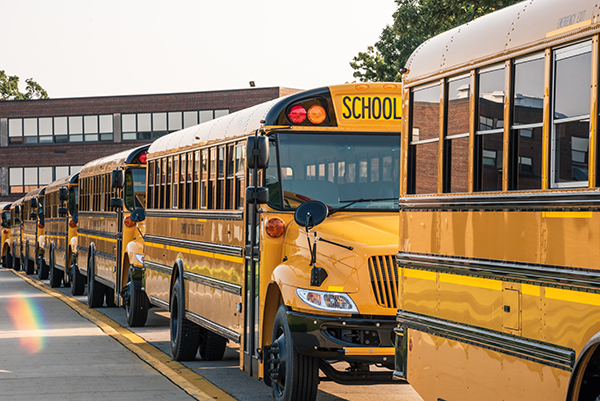
Post Hurricane Katrina, during a series of events that sought to quickly reform failing schools and ensure every child that needed school placement had one, all NOLA PS schools were converted to charter. As the transition was taking place, OPSB’s role transformed and the community's relationship to local schools changed dramatically. This paper assesses the pros and cons of this transition to a mostly charter system and describes how the school environment has changed since Hurricane Katrina.
Learn More
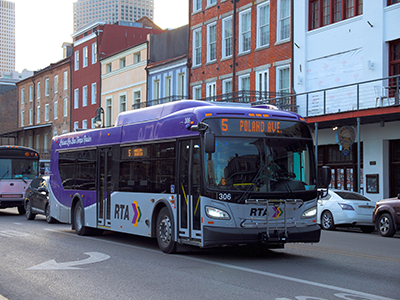
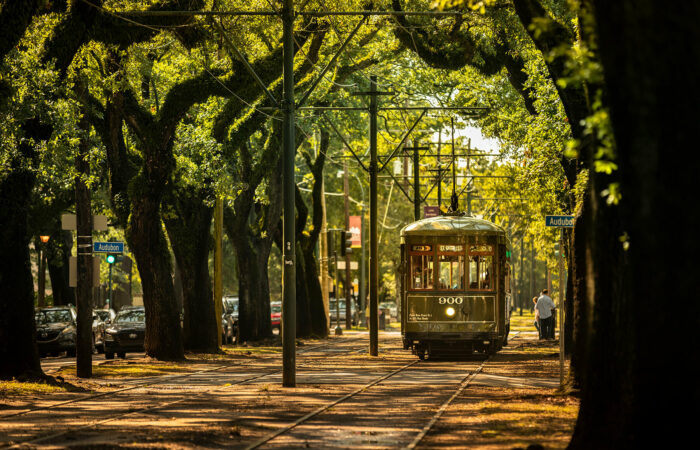
Access to resilient transportation in metropolitan New Orleans
Increased investment in cross-parish, public transportation can help spur economic and business opportunity and decrease the cost-burden of owning a private vehicle in Metro New Orleans. This paper identifies opportunities for improving the regions public transportation system and highlights investments already made toward this effort.
Learn More
The Politics of Resilience: Civic engagement in New Orleans 20 years after Katrina
In New Orleans, civic engagement thrives through deep-rooted participation in cultural traditions and social clubs, which double as networks for mutual aid, professional opportunity, and community service. But in the wake of Hurricane Katrina and the failure of the federal levees, voter participation has steadily declined. This paper offers recommendations to increase electoral engagement as residents work toward a more resilient future.
Learn More