The New Orleans Index
Our “New Orleans Index,” a now biennial publication developed in collaboration with the Brookings Institution, tracks progress towards prosperity relying on over 30 indicators that measure economic growth, sustainability, inclusive growth, and quality of life.
Jun 24, 2015
The city planning process in New Orleans during the decade following Hurricane Katrina was arguably one of the most challenging periods of city planning in any city, at any point in U.S. history. The first five years were spent primarily in recovery planning phase, and the second five years were spent dealing with complexities and conflicts of the comprehensive zoning process. The challenges were made more daunting by the fact that before the storm the city lacked a history of strong traditional urban planning practices. As a result, most processes had to be constructed from scratch. Despite few financial resources and a series of stops and starts, New Orleans now has a Master Plan as of August 2010, and a Comprehensive Zoning Ordinance as of May 2015. The New Orleans recovery experience can inform other communities about what to do and perhaps more importantly, what not to do when planning to rebuild after a disaster.
Learn More
Aug 22, 2025
Philanthropic giving poured in following Hurricane Katrina, aiding the recovery efforts. This report examines the philanthropic landscape as the region transitioned out of the recovery phase and philanthropic investments in the region shifted in focus.
Learn More
Aug 19, 2025
Demonstrating their resiliency post-Hurricane Katrina, many local universities cooperated, offering students the ability to take courses at different universities in Metro New Orleans, while these universities recovered. In the years since, these same institutions have hardened their campuses and offer degrees in emergency management, green energy, and coastal restoration, contributing to long-term regional resilience.
Learn More
Aug 18, 2025
Negative shocks, such as natural disasters, are part of the social determinants of health and can interfere with our ability to be resilient when faced with hardship. Understanding what social determinants of health are and making investments based on this understanding to create healthier communities, will in turn help folks be better prepared and better able to bounce back when the next disaster strikes.
Learn More
Aug 15, 2025
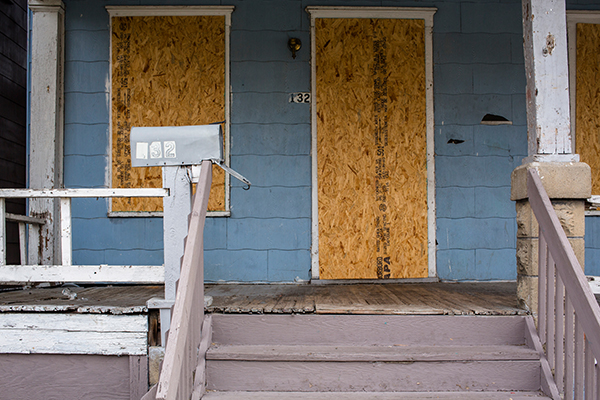
Despite enormous efforts to rebuild, many thousands of New Orleans' properties remained blighted five years later. New Orleans became a leader in data-driven blight reduction, addressed heirs’ property issues, and showed that supportive enforcement, community-led redevelopment, and legal reforms are key to preventing further displacement.
Learn More
Aug 14, 2025
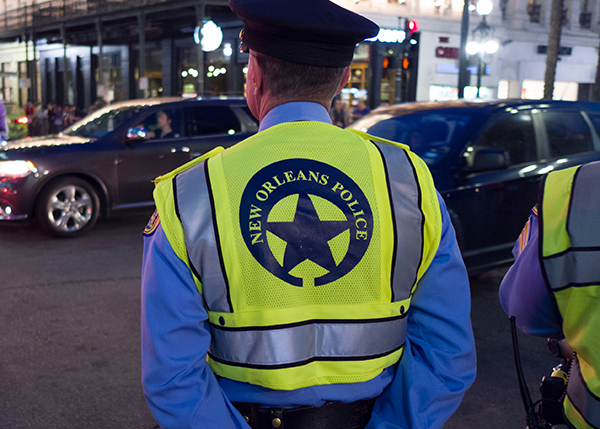
Following the events of Hurricane Katrina, reforms were put in place that reduced the overall prison population, but investments in “social determinants of safety” were still lacking. With a recent return to “tough-on-crime” policies, this report examines how past and present policies and investments in crime reduction have influenced community safety and well-being.
Learn More
Aug 11, 2025
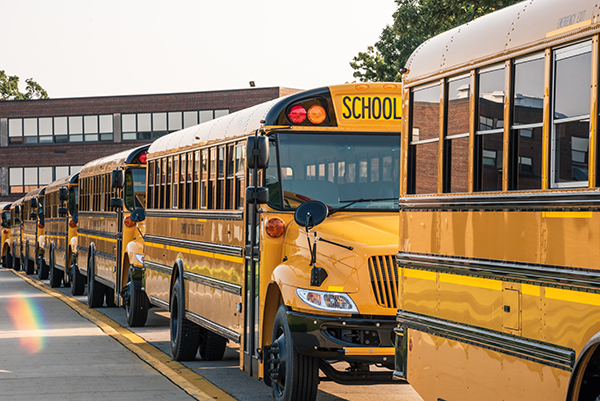
Post Hurricane Katrina, during a series of events that sought to quickly reform failing schools and ensure every child that needed school placement had one, all NOLA PS schools were converted to charter. As the transition was taking place, OPSB’s role transformed and the community's relationship to local schools changed dramatically. This paper assesses the pros and cons of this transition to a mostly charter system and describes how the school environment has changed since Hurricane Katrina.
Learn More
Aug 05, 2025
As shocks increase, the 20th anniversary of Katrina is a key milestone for examining Metro New Orleans’ ability to absorb, adapt to, and recover from shocks. The New Orleans Index at Twenty examines regional resilience capacity organized by housing and infrastructure, economy and workforce, wealth, and people.
Learn More
Aug 01, 2025
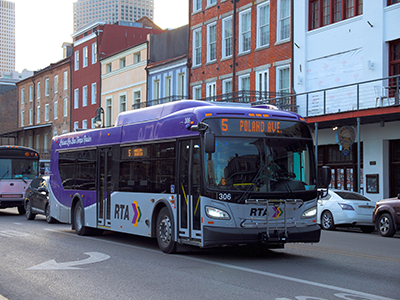
Increased investment in cross-parish, public transportation can help spur economic and business opportunity and decrease the cost-burden of owning a private vehicle in Metro New Orleans. This paper identifies opportunities for improving the regions public transportation system and highlights investments already made toward this effort.
Learn More
Jul 31, 2025
Hurricane Katrina was a wake-up call for the region. New Orleanians realized we need to innovate and adapt to be able to remain in the places we love. This paper highlights how residents of Metro New Orleans have addressed the increasing impacts of climate change through partnerships and ingenuity.
Learn More
Jul 30, 2025
In New Orleans, civic engagement thrives through deep-rooted participation in cultural traditions and social clubs, which double as networks for mutual aid, professional opportunity, and community service. But in the wake of Hurricane Katrina and the failure of the federal levees, voter participation has steadily declined. This paper offers recommendations to increase electoral engagement as residents work toward a more resilient future.
Learn More
1
2
3
Next »